1. Survey the space
The crew checks the whole property, including closets, vehicles, sheds and bathrooms where items may be tucked away.
Red Springs, NC · Robeson County
Business owners in Red Springs who find syringes in a restroom or storeroom can call (877) 812-4220. A cleanup team can remove sharps and residue and clean the room before it reopens.
If anyone is in danger, call 911 first. For a suicide crisis, call or text 988.
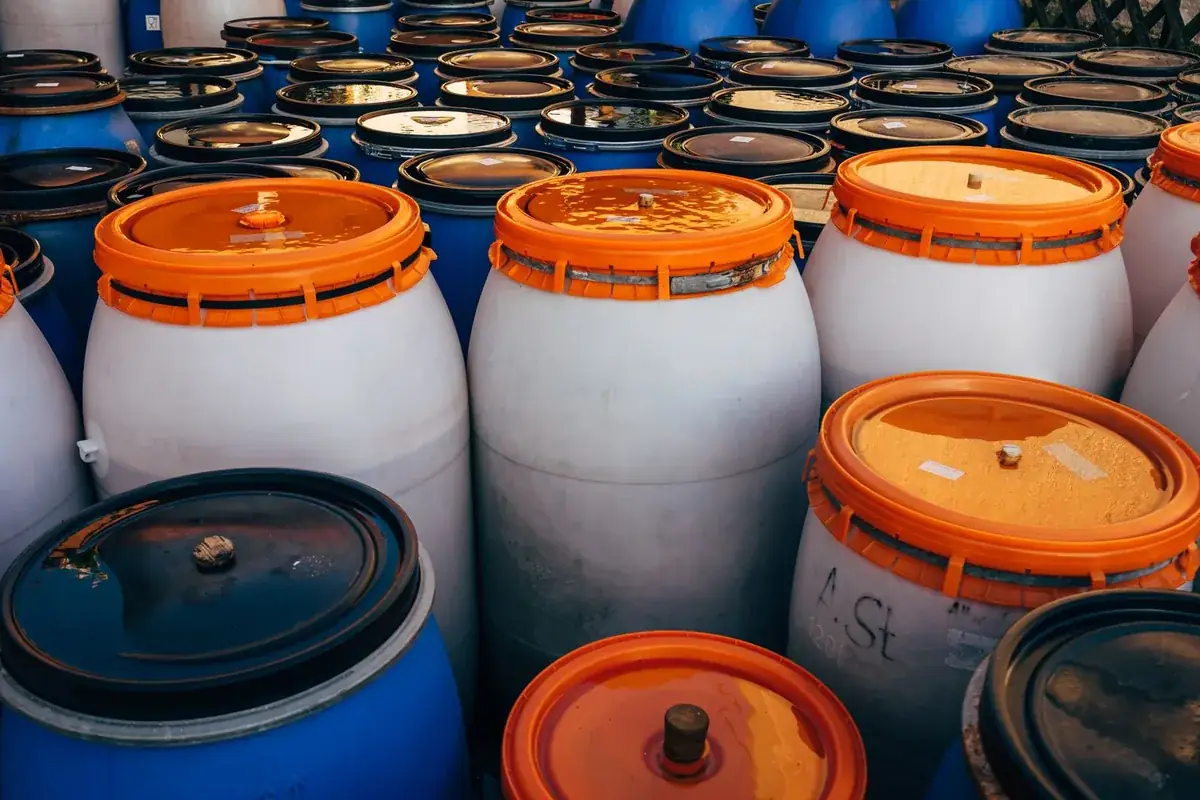
Paraphernalia and residue cleanup is a decontamination job. The goal is to leave a space where no sharps remain and surfaces have been cleaned with hospital-grade, EPA-registered products.
For drug use cleanup jobs of any size across Robeson County, call Red Springs Biohazard Cleanup Help and get the work done. In Red Springs, that can mean a single drawer of items or a house that needs thorough work, whatever you are facing.
Vacant housing is about 19% of homes in Red Springs. Empty buildings can hold hidden syringes and residue, and owners often check them before repairs or sales. If anyone is unresponsive or hurt, call 911. The nearest emergency room to Red Springs is Scotland Memorial Hospital in Laurinburg, about 16 miles away.
The work often covers:
The crew checks the whole property, including closets, vehicles, sheds and bathrooms where items may be tucked away.
Sharps come first, then bags, foil, containers and stained linens. Each is sorted into the right container.
Items are lifted with tools into labeled containers. Soft materials that cannot be cleaned are removed and bagged.
The crew cleans, checks, and walks the owner through what was done and what still needs attention.
The cost of drug paraphernalia cleanup in Red Springs, NC depends on the amount of material, how it is packed and how it is hauled.
How many items and sharps are present changes the scope, because each needle has to be found, lifted and sealed.
| Type of job | Typical range |
|---|
These ranges come from published cost guides () and are not a quote for Red Springs. Price drivers include amount of material, whether residue is present, surfaces affected, waste disposal. For a real number, call (877) 812-4220.
Crews wear protective gear, remove sharps and loose items, and then clean hard surfaces with EPA-registered disinfectants. Porous materials such as carpet, padding or upholstery that took in residue may be removed. The team can explain what applies to your space.
Sometimes. Some homeowners and renters policies cover cleanup after a covered event, and some limit or exclude claims tied to illegal activity. Check your policy, call your insurance company before work starts, take photos if you can, and keep every receipt.
The owner of the property usually pays at first. Lease terms and local law decide who is responsible in the end. A landlord, an attorney or a tenant rights group can say. Keep any record the cleanup team gives you, since a landlord or insurer may ask for it.
A careful cleanup removes the items and cleans the surfaces it covers. Testing is a separate step, and rules vary by place. Ask the team what it did and did not check, and ask the local health department what applies where you live.
It can. Powders and stains may stay on floors, furniture, bedding and in vents after the items are gone. That is why a team cleans and disinfects the surfaces and removes soft materials that cannot be cleaned. Ask what the plan covers.
It is safer not to. You often cannot tell what an item or residue is, and hidden sharps are a risk. Do not mix cleaning products. A cleanup team has the protective gear and containers to do it safely, without judgment.
A cleanup team removes the items, treats the surfaces and keeps the details private.
Call (877) 812-4220